Vacuum induction melting casting is the cleanest way to melt and pour high-performance alloys for safety-critical parts. At Uni Tritech, India’s NADCAP-certified foundry, it removes dissolved gases for superior metallurgy.
This guide explains the VIM casting process, why reactive alloys need vacuum, and the gains from vacuum melted superalloy. See our investment casting process page and this vacuum induction melting reference.
What Is Vacuum Induction Melting Casting?
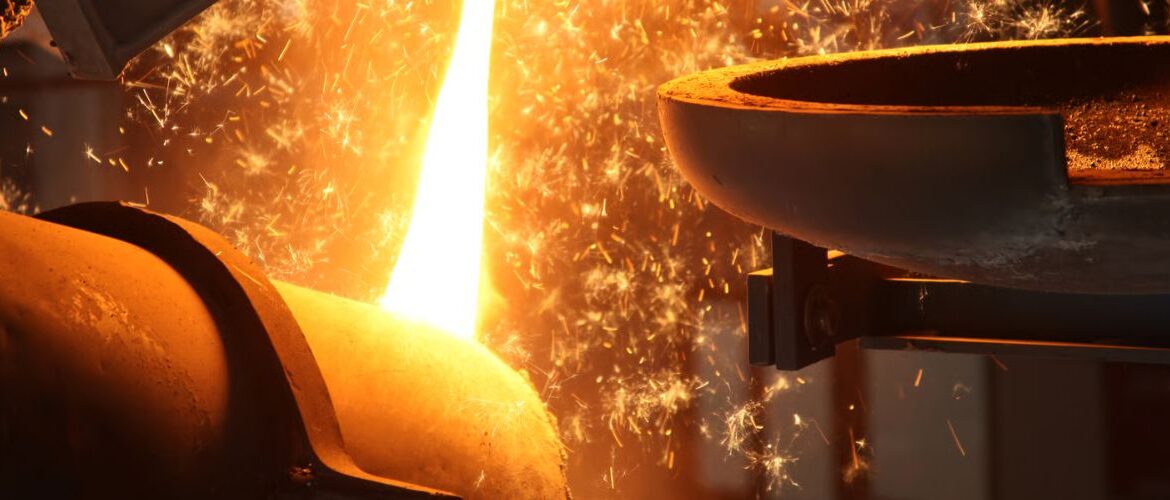
Vacuum induction melting casting melts metal by electromagnetic induction inside a vacuum chamber. By removing oxygen, nitrogen, and hydrogen, the method produces a clean melt with very low inclusion content for demanding castings.
Quick Summary
This guide explains vacuum induction melting casting: the materials, process, tolerances and quality controls that matter. Uni Tritech is India's Airbus-approved, NADCAP-certified foundry serving aerospace, defence and medical OEMs globally.
The VIM Casting Process Step by Step
The VIM casting process follows clear, controlled stages. Each step in the VIM casting process protects the molten metal from air, so reactive elements like aluminium and titanium are preserved and gases are driven off before pouring.
How the VIM casting process works:
Charge certified alloy stock into the induction crucible.
Evacuate the chamber to remove air and contaminants.
Melt under vacuum while induction stirring homogenises the bath.
Refine to strip dissolved gases and volatile impurities.
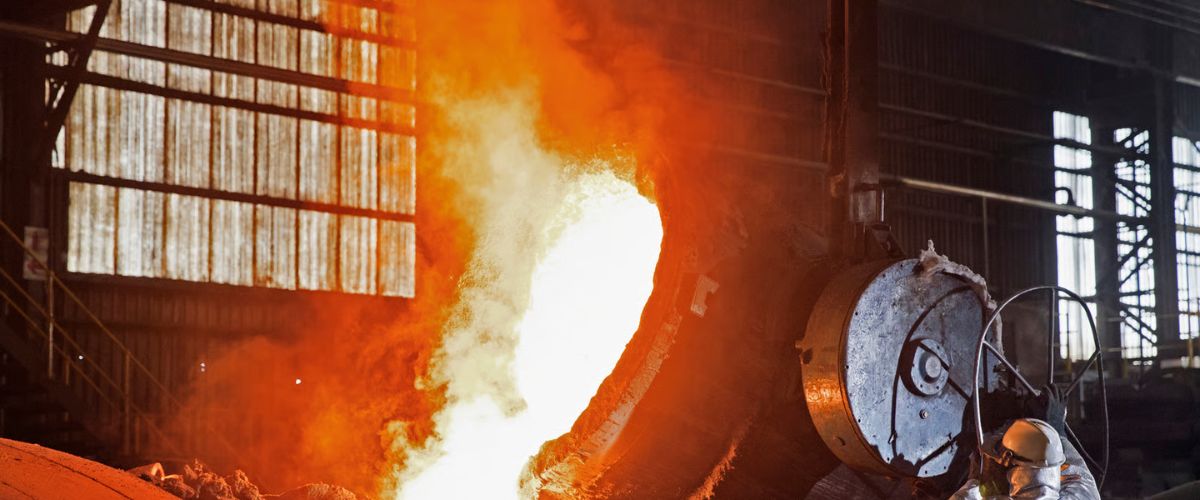
Pour into the preheated ceramic shell, then cool and inspect.
Reactive Alloy Vacuum Casting
Reactive alloy vacuum casting is essential for metals that grab oxygen, such as titanium and nickel superalloys. Reactive alloy vacuum casting stops oxidation and keeps active elements in solution, which air melting cannot reliably achieve.
Protects reactive elements like aluminium, titanium, and zirconium.
Prevents oxide inclusions that lower fatigue life.
Essential for titanium and high-performance nickel alloys.
Delivers repeatable chemistry for flight-critical parts.
Vacuum Melted Superalloy Benefits
A vacuum melted superalloy is cleaner and stronger than an air-melted one. Choosing a vacuum melted superalloy raises fatigue life, ductility, and consistency, which is why aerospace primes specify it for turbine and hot-section castings.
Lower oxygen and nitrogen for cleaner microstructure.
Higher fatigue strength and ductility in service.
Tighter, repeatable chemistry batch to batch.
Preferred for Inconel and nickel superalloy turbine parts.
Why Choose Uni Tritech for Vacuum Induction Melting Casting
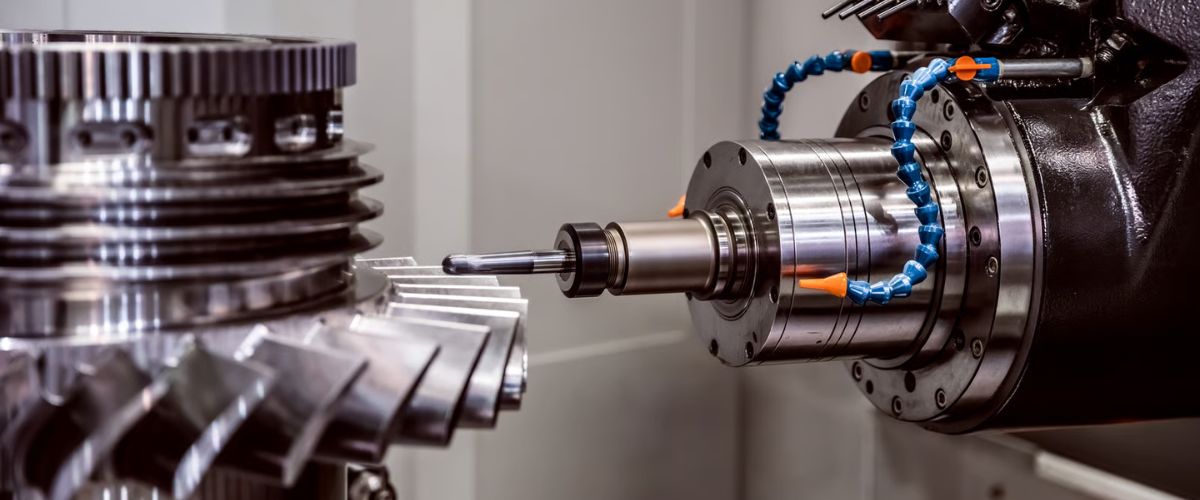
Uni Tritech is a NADCAP-certified, AS9100D foundry. We pair vacuum induction melting casting with in-house CNC machining and full non-destructive testing, and use VIM for Inconel 718 superalloys.
Vacuum induction furnaces for superalloys and titanium.
Clean, low-inclusion melt for fatigue-critical parts.
NADCAP NDT plus AS9102 first-article inspection.
One-stop melting, casting, machining, and finishing in India.
Titanium is highly reactive and grabs oxygen from air. Vacuum induction melting casting melts it under vacuum, preventing oxidation and inclusions so the titanium casting meets aerospace properties.
VIM is vacuum induction melting, where alloy is melted by induction inside a vacuum chamber. The VIM casting process removes gases and inclusions to produce clean, high-integrity castings.
It is used for superalloys, titanium, and reactive or refractory alloys cast into turbine parts, aerospace components, and other safety-critical hardware.
Yes. Uni Tritech supplies NADCAP-certified vacuum induction melting casting of superalloys and titanium to global OEMs, with full traceability and AS9102 documentation.
Need vacuum induction melting casting for superalloy or titanium parts? Uni Tritech delivers NADCAP-certified, clean-melt castings with full traceability. Contact our team today.
Looking for a trusted vacuum induction melting casting manufacturer in India?
Uni Tritech vacuum-melts and casts superalloys and titanium for aerospace, defence, and space. Talk to us about your vacuum induction melting casting needs today.